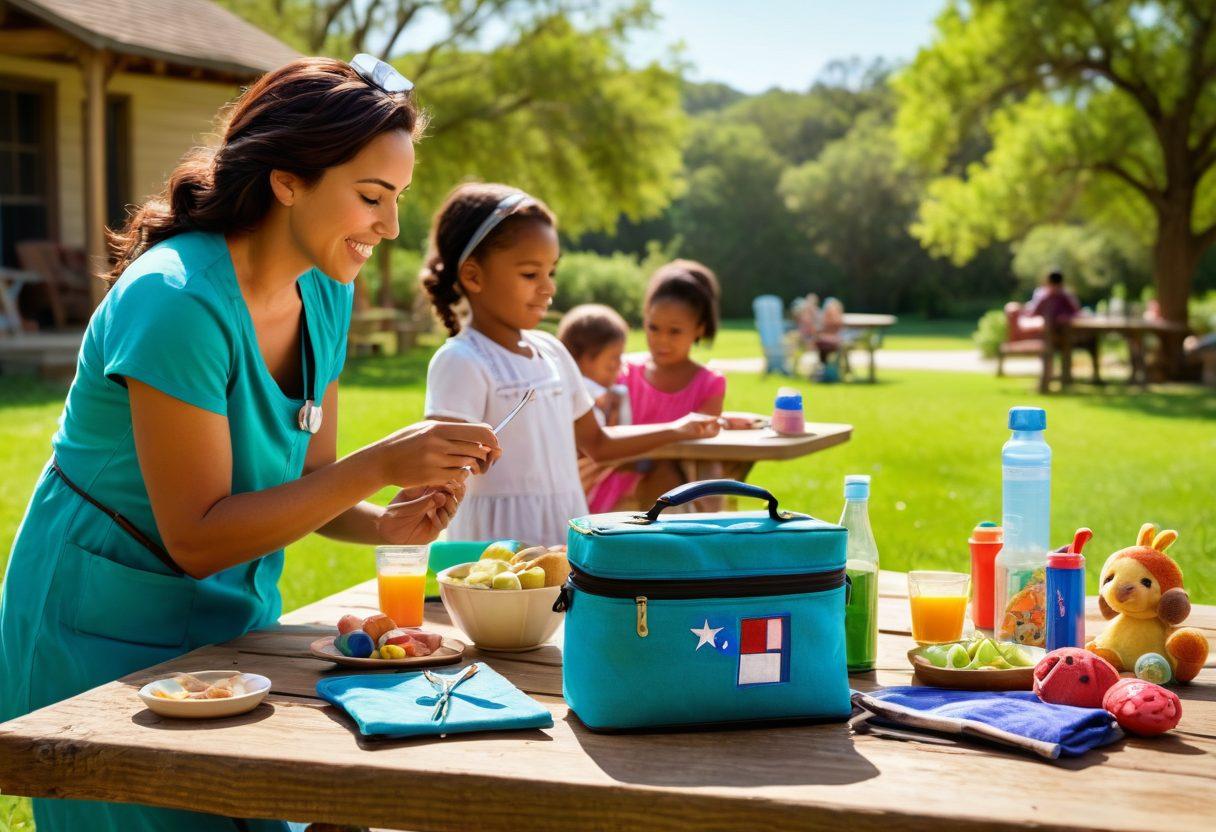
Empowering Parents: Essential Pediatric Health Tips for Every Texas Family
Navigating the labyrinth of Texas pediatric healthcare can feel like a daunting journey for many parents. With a plethora of resources at your fingertips, it’s essential to know where to begin when prioritizing your child’s well-being. From the bustling cities of Houston and Dallas to the serene towns of Amarillo and Fredericksburg, Texas offers a vibrant array of child health services that cater to every family. But, how do you sift through the noise of information and find the pediatric specialists who will best serve your child's needs?
Understanding child growth and development is foundational when it comes to nurturing a healthy future for your little ones. As your child embarks on their journey through early childhood health, there are vital developmental milestones that every parent should keep an eye on. Why? Because recognizing these milestones can be instrumental in identifying any potential issues early on, allowing for timely intervention. Engaging with extensive children's health resources in Texas will empower you to monitor and support your child's progress before they encounter common pediatric illnesses.
Pediatric nutrition is another pillar of wellness for children that demands attention. As the saying goes, 'You are what you eat.' This rings especially true for developing children who need a balanced diet to fuel their growth; after all, proper nutrition acts as the building blocks for physical and cognitive development. To prioritize your child’s health, explore local Texas initiatives focusing on nutrition education and healthy meal planning. It’s never too early to instill healthy eating habits; what changes can you introduce to your family's diet today?
Moreover, parenting health advice often emphasizes the importance of preventive pediatric care. Proactive visits to the pediatrician can help avoid or catch health issues before they escalate. Regular check-ups not only provide a platform for discussing chldren's medical care but also offer invaluable moments to bond as a family. When was the last time you scheduled a well-child visit? Remember, maintaining a dialog with your healthcare provider can provide insights into the ever-evolving landscape of youth healthcare in Texas.
Finally, let’s talk about child psychology. Mental health is intrinsically tied to physical health, and keeping the emotional well-being of your child on par with their physical wellness is crucial. By arming yourself with knowledge through available family health resources, you’ll enhance your ability to address and advocate for your child’s health. What proactive steps can you take to foster a supportive and nurturing environment that prioritizes both mental and physical wellness? As we explore pediatric first aid and safety tips, remember that every step you take is a stride towards ensuring a healthier future for your family.
Empowering Families: Essential Resources for Pediatric Health in Texas
Every parent knows that raising healthy children is akin to walking a tightrope; one misstep and you might find yourself facing turbulent times. In Texas, parents are fortunate to have a rich landscape of healthcare resources dedicated to pediatric wellness. With the right guidance, families can not only navigate challenges but also celebrate the beautiful journey of child growth and development that comes with parenting. Let’s delve into some essential resources for pediatric health that every Texas family should consider to ensure their children flourish.
When it comes to Texas pediatric healthcare, one of the most valuable assets for families is access to child health services that are not only plentiful but also diverse. From comprehensive wellness check-ups with family pediatric care specialists to regular screenings for developmental milestones, Texas offers numerous avenues for maintaining your child’s health. Why not think of your child’s growth as a team effort? By collaborating with pediatric specialists and utilizing the available children’s health resources, parents can effectively monitor their child’s progress and detect any potential issues early on.
Speaking of potential issues, understanding common pediatric illnesses is key to safeguarding your child's health. In Texas, parents can foster empowerment by learning how to prevent these illnesses through preventive pediatric care. It’s critical to get familiar with the signs and symptoms that warrant intervention. Ever wondered what the best approaches are when a tiny cough or sniffle turns into a reason for concern? Knowledge is power! Staying informed about children's medical care, such as when to seek help, can ensure timely responses. And remember, consulting a pediatrician always helps alleviate worries and sets minds at ease.
The journey of parenting also involves nurturing not just the body but the mind. Let's talk about child psychology and the importance of mental wellness for children. In Texas, parents can lean on a wealth of family health resources that address developmental challenges and emotional well-being. Have you thought about how your child processes their surroundings? As parents, offering a supportive environment is crucial. Engaging in collaborative dialogues with pediatric experts regarding child psychology can give insights into fostering emotional resilience and healthy communication skills in your little ones.
Lastly, let’s not overlook the role of pediatric nutrition in maintaining overall wellness for children. Ensuring that your child receives a balanced diet is essential, as nutrition directly impacts their energy levels, immune system, and even cognitive development. Texas parents can access numerous nutrition workshops and health seminars that empower them with knowledge on effective meal planning and healthier eating habits for children. What’s your favorite healthy family recipe? Sharing meals that not only taste good but promote healthy eating can be an enjoyable way to reinforce wellness in your home.
Building a Healthy Future: Strategies for Pediatric Growth and Development
As parents, we often find ourselves at the crossroads of fear and hope when it comes to our children’s health. Raising kids in Texas can feel like a wild ride—especially when it comes to navigating the complexities of pediatric healthcare. How can we ensure that our little ones not only survive but thrive? By understanding some key strategies for pediatric growth and development, we can take proactive steps towards a healthier future. In this journey, every piece of parenting health advice becomes a building block toward wellness for children, creating a solid foundation for their lives ahead.
Child growth and development encompass more than just physical health; it includes emotional and psychological wellbeing as well. In Texas, where family pediatric care is within reach, accessing child health services is vital. It’s essential to recognize the developmental milestones that our children should achieve. Are they meeting their markers for speech and social interactions? This awareness allows us to identify needs early on and seek the right pediatric specialists to support them. In the words of an inspiring pediatrician, "An ounce of prevention is worth a pound of cure."
Preventive pediatric care plays a pivotal role in safeguarding our children's future. Regular check-ups with healthcare providers ensure that potential issues are caught early, from common pediatric illnesses to nutritional deficiencies. These wellness visits are not merely boxes to tick; they are golden opportunities for parents to engage with children's health resources. Engaging, informative discussions with your healthcare provider can transform how we see our kids’ wellbeing. Are you aware of how often your child should be seen for their health needs?
Another layer of support in a child's life comes through nutrition. Pediatric nutrition isn't just about food; it’s about shaping healthy habits that can last a lifetime. Texas families are spoiled for choice with a variety of local food resources. How often are you checking to ensure that your child is getting balanced meals packed with essential nutrients? This is an invitation for parents to dive into the world of healthy eating while fostering an appreciation for good food. Ask yourself, what do I want my child to associate with healthy eating?
Lastly, let’s not forget the importance of mental health in our children's development. Child psychology is an integral aspect of wellness for children. Encouraging open conversations about feelings, managing stress, and fostering resilience will not only enhance their emotional health but also support their academic and social success. In advocating for children’s health, we must remember—there's no single blueprint for parenting, yet sharing experiences and insights can provide a wealth of information. How are you building your child's emotional toolkit? As we work together to empower our families, let’s cultivate a nurturing environment for our kids, equipping them for a robust journey into adulthood.